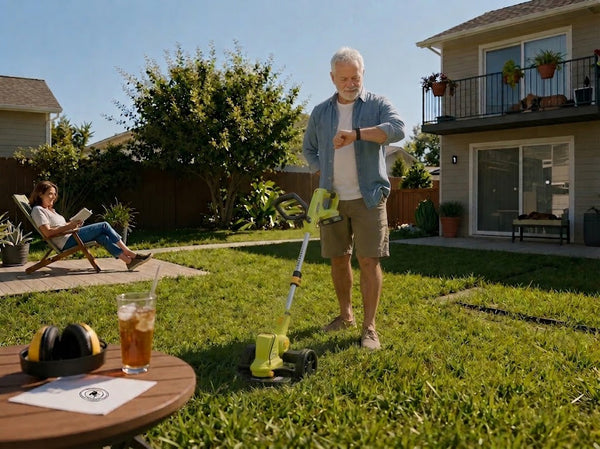
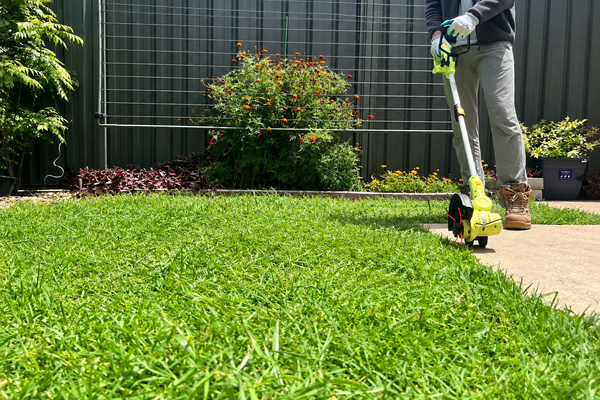
A tidy lawn is not only about mowing. Between mowing sessions, small maintenance tasks such as trimming grass around obstacles, keeping edges neat, removing debris and dealing with overgrown patches can make a big difference to how your yard looks.
The best approach is to focus on the areas that become noticeable first. Grass around fences, garden beds and pathways can quickly make an otherwise well-maintained lawn look untidy, while fallen leaves and small problem areas can make the whole garden appear neglected. The following checklist covers the simple jobs that can help keep your lawn looking neat between full mowing sessions.
| Quick Task | When to Do It |
|---|---|
| Trim grass around fences and garden beds | When you notice uneven growth |
| Maintain lawn edges | When grass starts creeping over paths and borders |
| Remove leaves and debris | As needed |
| Pull visible weeds | As soon as they appear |
| Clear small overgrown patches | Before they spread |
| Tidy grass around garden features | When it starts becoming noticeable |
Simple Ways to Keep Your Lawn Looking Tidy Between Mows
Trim Grass in Hard-to-Reach Areas
A mower is designed for cutting the main lawn area, but it cannot easily reach every part of the yard. Grass around fences, garden beds, trees, posts and corners can quickly become longer than the rest of the lawn.
A whipper snipper is useful for these areas because it allows you to trim grass where a mower cannot easily reach. When using one, hold the tool securely with both hands, keep the cutting head controlled and use steady movements rather than trying to remove too much grass at once. Regular trimming around these areas is usually easier than waiting until the grass becomes noticeably overgrown.
Keep Lawn Edges Neat
Clean lawn edges can make an entire backyard look more maintained, even if the rest of the lawn is between mowing sessions. Grass growing over paths, driveways and garden borders can make the yard appear untidy quickly.
For smaller lawns, maintaining edges regularly is usually easier than waiting until grass has spread well beyond the original border. A compact tool with an edging function can be useful for quick touch-ups around paths, garden beds and other areas where clean lines matter.
Remove Leaves and Garden Debris Regularly
Leaves, fallen branches, grass clippings and other garden debris can quickly make a lawn look untidy, even when the grass itself is well maintained. Regularly clearing debris also makes future lawn care easier. Removing larger items before mowing helps prevent obstacles from getting in the way and gives you a clearer view of areas that may need attention.
You do not always need a major garden clean-up. A quick check after windy weather or periods of heavy leaf fall can often be enough to keep the lawn looking cared for.
Tackle Weeds and Bare Patches Early
Small weeds and damaged areas are easier to manage before they become more noticeable. A few weeds around garden edges or a small bare patch in the lawn can quickly stand out when the surrounding grass is healthy.
Check your lawn regularly and address small problems when you notice them. Remove individual weeds promptly and check whether bare patches are caused by factors such as heavy foot traffic, shade or water pooling before deciding how to repair them. The goal is not constant maintenance, but preventing small issues from becoming larger jobs that require more time.
Keep Grass Around Garden Features Under Control
Garden features often create areas where grass grows differently or becomes harder to maintain. This includes outdoor furniture, pots, retaining walls, garden ornaments and play equipment.
These areas are easy to overlook because they are not part of the main lawn, but keeping the surrounding grass tidy can make the whole backyard feel more organised. A quick trim around these features between mowing sessions can help maintain a cleaner appearance without needing to complete a full lawn-care session.
Deal With Small Overgrown Areas Before They Spread
Sometimes a small section of grass grows faster than the rest of the lawn. This might happen near a shaded area, after rainfall or in sections that are missed during regular mowing.
Avoid waiting until these patches become a larger problem. Removing excess growth early is usually quicker and easier than trying to restore a heavily overgrown area later. If grass has become heavily overgrown, use the practical sequence: trim first, mow second and edge last. Trimming removes excess growth, mowing brings the main lawn back to an even height and edging creates the final clean border.

Quick Lawn Touch-Ups That Make the Biggest Difference If You Only Have a Few Minutes
Not every lawn-care job requires a full afternoon. Even when you’re busy, a few short maintenance sessions throughout the week can help your backyard stay tidy without feeling like another major task.
5-Minute Tasks
If you only have a few minutes, focus on the areas that make the biggest visual difference:
-
Remove leaves, sticks and visible debris.
-
Pull out obvious weeds.
-
Trim a small patch of grass around a fence or garden bed.
-
Clear grass that has started growing over a path.
-
Tidy one noticeable edge or overgrown spot.
These small jobs are often enough to keep the garden looking maintained until your next full mowing session.
15–30 Minute Tasks
With a little more time, you can combine several small maintenance jobs:
-
Trim grass around fences, trees and garden beds.
-
Tidy multiple lawn edges.
-
Clear larger areas of leaves and garden debris.
-
Cut back small overgrown sections.
-
Remove visible weeds from lawn edges and garden beds.
-
Clear larger areas of debris or prepare sections that need trimming or edging.
Combining these smaller tasks can help keep the lawn tidy and reduce the amount of work needed before your next full mowing session.

Tools That Help Keep Your Lawn Looking Tidy Between Mows
The right tools can make quick lawn touch-ups easier, especially around areas that a mower cannot easily reach. The best setup depends on the size of your lawn, the layout of your yard and the areas that usually need attention between mowing sessions.
Whipper Snipper
A whipper snipper is one of the most useful tools for keeping grass tidy between mows. It is designed for trimming areas that a mower cannot easily reach, such as around fences, trees, garden beds and corners.
When choosing a whipper snipper, look for a model that feels balanced, comfortable to hold and easy to control. Lightweight designs can be particularly useful for smaller lawns where you need to move around multiple obstacles.
Edger
An edger is designed to create clean, defined borders between grass and surfaces such as paths, driveways and garden beds. While a whipper snipper can help remove grass growing beyond an existing boundary, an edger is the tool designed specifically for creating sharper lawn borders. Keeping edges maintained regularly prevents them from becoming overgrown and harder to restore.
Compact Multi-Purpose Lawn Tool
For smaller lawns and compact outdoor spaces, a multi-purpose lawn tool can simplify regular maintenance by combining several functions in one setup. A tool that can mow smaller lawn areas, trim grass around obstacles and edge borders can be useful for homeowners who want to reduce the number of separate tools they store.
For example, The Lawno combines mowing smaller lawn areas, trimming and edging in one lightweight design. It weighs 2.3 kg with the battery and includes an adjustable rod and second handle to help maintain a comfortable working position while moving around smaller spaces. Its flexible blade system can be used for mowing smaller lawn areas, trimming and edging, making it suitable for quick touch-ups around compact yards.
Final Thoughts: Small Jobs Keep Your Lawn Looking Its Best
Keeping a lawn looking tidy between mows does not require constant work. Small, regular touch-ups around edges, obstacles and problem areas can make a noticeable difference without needing a full mowing session every time.
The most important thing is focusing on the areas that affect how the whole yard looks. Keeping grass trimmed where a mower cannot reach, maintaining edges and removing debris can help your lawn stay neat with less effort. Choosing tools that suit your lawn size and the jobs you regularly complete can also make maintenance easier. For smaller gardens, compact and easy-to-manoeuvre equipment can make quick touch-ups simpler and reduce the need to use several different tools.