Keeping your lawn looking neat doesn't have to take up your entire weekend. Staying on top of lawn care is easier when you deal with small jobs as they come up, mow when needed and use tools that make mowing, trimming and edging quicker and easier.
Busy homeowners can keep their lawns healthy and tidy without spending hours on garden maintenance. With a simple routine and the right approach, regular lawn care can be much more manageable – even when you have plenty of other things to do. Here are 10 easy lawn care tips to help you save time and keep your lawn looking its best.
Should You Take Care of Your Lawn Yourself When You're Busy?
When life is busy, lawn care can easily become one more thing on an already long to-do list. Finding the time to mow, trim grass in hard-to-reach areas and keep everything looking tidy isn't always easy, especially when you have plenty of other things competing for your attention.
Of course, there are times when hiring someone to take care of the lawn makes sense, particularly if you have a large property or other commitments that leave very little time for garden maintenance. But for many homeowners, a smaller lawn or compact outdoor space combined with the right tools can make it possible to handle regular maintenance yourself without it becoming another major job.
The key is to make lawn care as straightforward as possible. Choosing suitable equipment for your lawn size and dealing with small jobs before they become bigger ones can help you spend less time maintaining your lawn and keep it under control. For many homeowners, it's less about finding more time and more about making lawn care easier to fit into the time they already have.
| Lawn Care Tip | How It Saves You Time |
|---|---|
| Keep your lawn care routine simple | Focus on the jobs that make the biggest difference |
| Mow regularly | Avoid slow, difficult sessions on overgrown grass |
| Choose time-saving tools | Spend less time switching between tools |
| Keep lawn edges under control | Avoid tackling heavily overgrown borders |
| Water at the right time | Spend less time watering when it's not necessary |
| Don't wait for a major cleanup | Stop small jobs from becoming bigger ones |
| Make lawn care easier on your body | Finish jobs without needing as many breaks |
| Deal with weeds and bare patches early | Prevent small problems from spreading |
| Create a simple lawn care schedule | Spend less time deciding what needs doing |
| Keep your tools ready to go | Get started without extra preparation |
10 Easy Lawn Care Tips to Save You Time
1. Keep Your Lawn Care Routine Simple
You don't need to tackle every lawn care job at once. A simple routine that covers the basics is often easier to keep up with than a long list of maintenance tasks. Focus on the jobs that make the biggest difference, such as mowing the main lawn area, trimming grass around obstacles and keeping edges tidy.
It can also help to deal with small jobs as you notice them rather than waiting until the lawn needs a major clean-up. A quick trim here or a short mowing session there can be much easier to fit into a busy week than trying to catch up on everything at once.
2. Mow Your Lawn Regularly Instead of Letting It Get Overgrown
Regular mowing keeps the grass at a manageable height and makes each mowing session quicker and easier. As a general guide, mowing once a week during periods of active growth is a good starting point, but how often you need to mow will depend on your grass type, season and local conditions. Use the lawn itself as your guide rather than sticking rigidly to a calendar.
For routine mowing, a lightweight cordless mower is a convenient option for keeping the lawn maintained without the need for a larger machine. If the grass has grown particularly long, you may need a more powerful mower and, depending on the amount of growth, it can help to trim the excess first before mowing.
Expert tip: For an efficient lawn care routine, follow the order of trim first, mow second, then edge last. Trimming helps clear grass from areas a mower may not reach, mowing takes care of the main lawn area, and edging finishes the borders.
3. Choose Lawn Tools That Save You Time and Effort
The right equipment can make a significant difference to how long a lawn care job takes – and how much effort it requires. If you have a smaller lawn, you may not need multiple large pieces of equipment for regular maintenance. Choosing versatile tools that suit the size and layout of your outdoor space can reduce the need to switch between different machines.
It's also worth thinking about how comfortable a tool is to use, not just what it can do. A lightweight cordless option can be easier to carry and manoeuvre around the backyard, while adjustable settings can help you work comfortably in different areas.
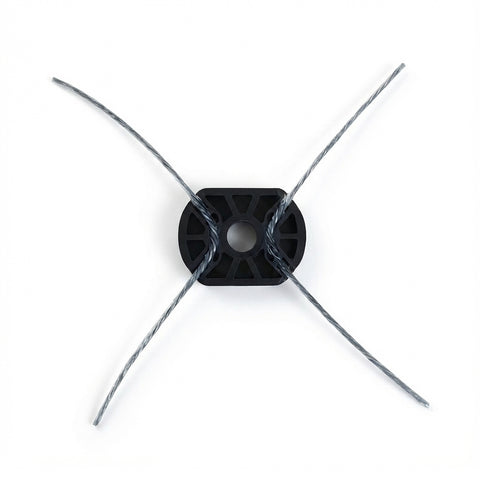
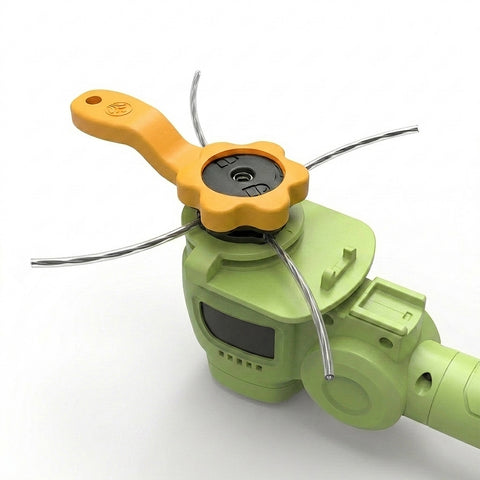
For smaller lawns, compact areas and places where larger equipment may be difficult to manoeuvre, a 3-in-1 tool such as The Lawno combines mowing smaller lawn sections, trimming hard-to-reach grass and edging in one compact design. Its lightweight design (just 2.3 kgs including the battery) makes it easier to hold and control when working around garden beds, fences, pathways and other obstacles. If you use it regularly, having spare parts and accessories handy can save you time when you need them.

4. Keep Lawn Edges Under Control
Grass around paths, driveways, garden beds and fences can quickly make a tidy lawn look overgrown. Keeping these areas maintained regularly is usually much quicker than waiting until grass has spread well beyond the original boundary.
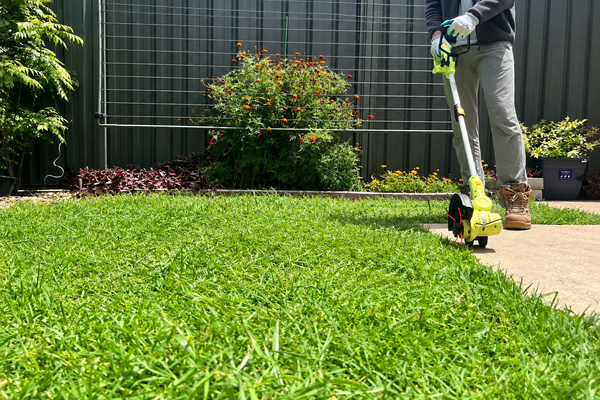
For the neatest result, follow the existing border rather than trying to create a new line as you work. Around curved garden beds, move slowly and take small sections at a time. If you are using The Lawno for edging, use the dedicated edging wheel and work sideways along the border to create a cleaner finish. Being able to switch between mowing smaller lawn areas, trimming and edging with one compact tool can make routine maintenance easier to fit into your busy schedule.
5. Water at the Right Time
Watering can be one of the more time-consuming parts of lawn care, particularly during hot and dry weather. A sprinkler or automatic irrigation system can make it easier if you have one, but you can also water a smaller lawn with a hose or watering can when needed. Either way, checking the weather first can help you avoid watering when your lawn has already had enough rain.
When watering is needed, early morning is generally a good time because cooler temperatures mean less water is lost to evaporation. Aim for thorough watering rather than frequent, shallow watering, but keep in mind that the right amount will depend on your grass type, soil and local climate. During periods of regular rainfall, you may need very little additional watering; during hot, dry spells, your lawn will need more.
6. Don't Wait Until Your Lawn Needs a Major Cleanup
Small amounts of maintenance are easier to deal with than a lawn that has been left unattended for weeks. Remove fallen branches and heavy leaf build-up before mowing, trim grass that starts creeping over paths, and deal with obvious problem areas as you notice them. These jobs often only take a few minutes when they're kept under control.
You also don't need to remove grass clippings after every mow. When the cuttings are fine and lightly distributed, there’s no need to rake them up. They can break down naturally on the lawn, returning nutrients to the soil and providing a natural source of fertilisation for healthier grass.
7. Make Lawn Care Easier on Your Body
Lawn care should not leave you feeling worn out before you've finished the job. Choosing equipment that is comfortable to hold and manoeuvre can make a big difference, particularly when you're working around garden beds, trees, fences or other obstacles.
Adjustable handles or shafts can also help you work at a more comfortable height instead of constantly bending or reaching. A lightweight cordless tool can be particularly practical for smaller lawns and compact areas. Features such as an adjustable shaft, multiple head angles and an additional handle for support can make mowing, trimming and edging easier to control.
8. Deal With Weeds and Bare Patches Early
A few weeds or a small bare patch are much easier to deal with before they become a larger lawn problem. Check your lawn regularly and remove individual weeds while they're still easy to reach. For bare areas, identify the likely cause first – such as heavy foot traffic, poor watering, shade or unsuitable grass for the conditions – before trying to repair the patch.
If a section of lawn has been damaged, avoid simply covering it up and hoping it recovers. Rake away dead material, loosen the surface if needed and follow the appropriate repair method for your grass type. Dealing with small problem areas early can save you from having to repair or replace a much larger section later.
9. Create a Simple Lawn Care Schedule
Lawn maintenance hardly ever needs a complicated calendar. A simple approach can be enough: check the lawn regularly, mow when the grass needs it, trim areas that are difficult for a mower to reach, tidy edges when they start becoming untidy and water according to weather and soil conditions. Other jobs, such as fertilising the lawn or repairing bare patches, can be handled when they are actually needed.
10. Keep Your Lawn Care Tools Ready to Go
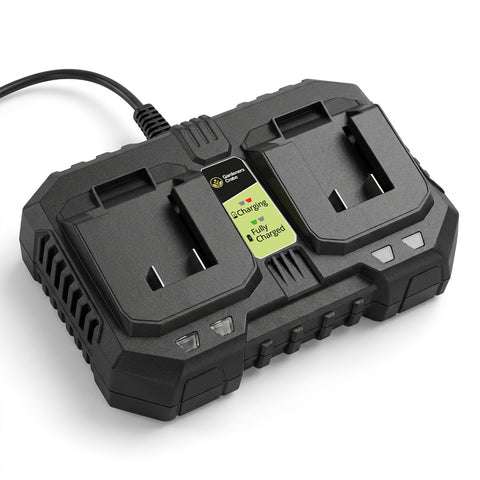
The easier your tools are to access and use, the less likely a small lawn job is to turn into something you keep putting off. Store your most-used equipment somewhere easy to reach, rather than buried behind tools you rarely use. For cordless equipment, keeping the battery charged means you can get started without having to plan around charging time.
Regular maintenance also prevents avoidable interruptions. Check the cutting blade, clear grass and debris from the equipment after use, and replace worn parts when necessary. With tools that are clean, charged and ready to go, a quick lawn job can stay a quick lawn job.
Final Thoughts: Make Lawn Care Work for You
A well-kept lawn doesn't have to come at the expense of your free time. The aim is not to spend more hours working in the garden, but to find simple ways to keep things looking good without making lawn care feel like a chore. Whether you have ten minutes for a quick trim or a little longer for a mow, small jobs can make a noticeable difference when you stay on top of them.
For homeowners with smaller lawns and compact outdoor spaces, choosing lightweight, versatile equipment designed for everyday maintenance can make these tasks easier to manage. With a few practical habits and the right tools, lawn care can become something you fit into your week rather than something you keep putting off. And once the work is done, you can get back to enjoying the garden – which is what it's there for.