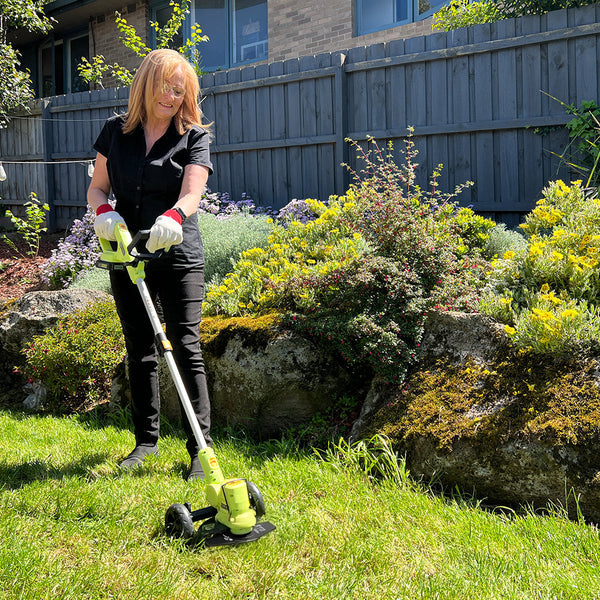
For seniors or anyone with sore hands, useful gardening tool features include lightweight designs, comfortable grips, adjustable handles and simple controls. Gardening is a rewarding hobby at any age, but the right tools can make a big difference to how comfortable and manageable regular garden maintenance feels.
The goal is not always to choose the most powerful tool available. A tool that is appropriately sized, well balanced and easy to manoeuvre may be more practical for everyday gardening than a heavier or more powerful option. Whether you are maintaining a small lawn, pruning plants, tending garden beds or completing general outdoor tasks, choosing tools that are easier to hold and control can make routine jobs simpler.
What to Look for in Gardening Tools for Seniors and Sore Hands
Lightweight Design
Weight is one of the first things to consider when choosing gardening tools. A lighter tool can be easier to lift, carry and manoeuvre, particularly when moving between different areas of the garden or working for longer periods.
However, the lightest option is not always the most suitable. Balance is equally important. A tool that is slightly heavier but well balanced may feel easier to control than a lighter tool with most of its weight concentrated at one end.
Comfortable Handles and Grips
The handle design can make a significant difference to how a tool feels during use. Look for grips that are comfortable to hold, provide good control and do not require excessive squeezing to keep the tool steady.
Soft-grip materials and non-slip surfaces can make tools easier to hold, while a handle that is appropriately sized for your hand can make it easier to maintain control without gripping tightly. Well-positioned handles are also useful for tasks that require frequent changes in direction, such as pruning and trimming branches or trimming grass around garden beds.
Adjustable Features
Adjustable features allow a tool to better suit the person using it and the task being completed. Look for adjustable shafts, handle positions or working angles that let you find a comfortable position without excessive bending or reaching.
For example, lawn-care tools with adjustable rods can help you work at a more suitable height, and adjustable handles can make it easier to maintain control when moving around different areas of the garden. The useful adjustment is the one that lets you set up the tool comfortably before you start rather than compensating for an awkward position while working.
Simple Controls and Low Maintenance
Gardening tools that are easy to start, adjust and operate can make regular tasks feel much simpler. Cordless equipment, for example, removes the need to manage power cables or store fuel. Simple controls can make it easier to start and adjust the tool when needed.
Maintenance requirements are also worth considering. Look for tools with accessible cutting components, easy-to-clean parts and straightforward replacement systems. A tool that is simple to check, clean and maintain is less likely to become difficult to use as routine maintenance tasks build up.

Best Gardening Tools for Seniors and Sore Hands
Lightweight Lawn Mower
For homeowners with a lawn, a mower is usually one of the most frequently used garden tools. A lightweight, compact mower can be easier to push, turn and store, particularly in smaller backyards with narrow pathways, garden beds or limited storage space.
When choosing a mower, consider the size of your lawn, cutting width and how comfortable it feels to manoeuvre. A larger mower may cover more ground quickly, but a smaller model can often be more practical in compact spaces where control and access matter more. For very small lawns or areas with tight access, a compact and lightweight multi-purpose lawn tool can also be worth considering if you need to mow smaller areas, trim grass around obstacles and maintain edges.
Lightweight and Adjustable Whipper Snipper
A whipper snipper is useful for trimming grass in areas a mower cannot easily reach, such as around fences, trees, garden beds and corners. Choosing a lightweight model with a comfortable grip and adjustable features can make these tasks easier to manage.
Look for a design that feels balanced in your hands and does not require excessive effort to keep under control. An adjustable shaft and well-positioned handle can also help you find a more comfortable working position, particularly when trimming around obstacles or uneven areas.
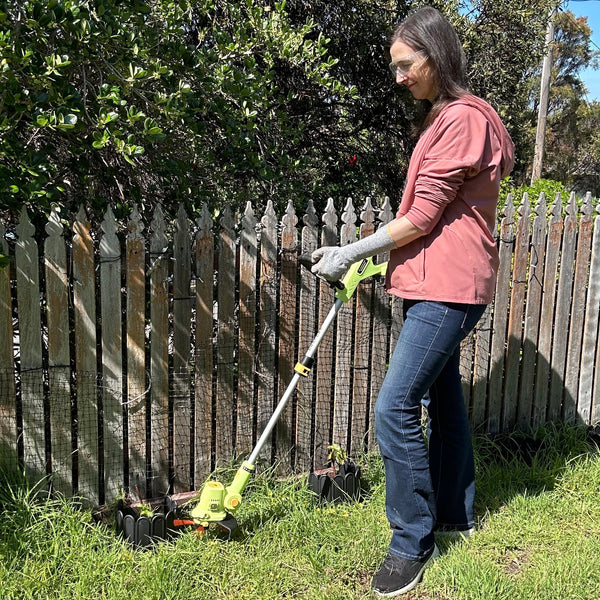
Follow the manufacturer's instructions for how to hold and operate your specific model. Where the design calls for two-handed operation, using both hands provides better control while moving the cutting head around the garden.
Compact Multi-Purpose Lawn Tool
For smaller lawns and compact outdoor spaces, a multi-purpose lawn tool can be a practical option when you want to complete several routine tasks with one piece of equipment. Rather than storing separate tools for mowing smaller lawn areas, trimming and edging, a compact design can help simplify everyday maintenance. This can be particularly useful for homeowners with limited storage space or smaller gardens where large equipment is unnecessary.
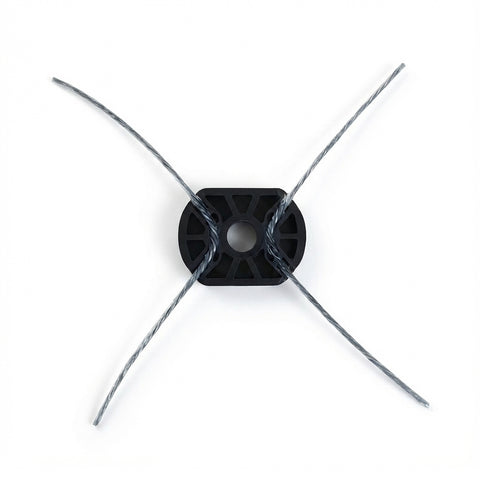
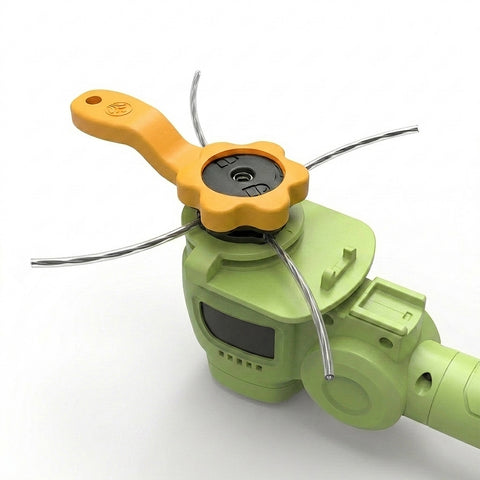
For example, The Lawno combines mowing smaller lawn areas, trimming grass around obstacles and edging in one lightweight design. It weighs 2.3 kg with the battery and includes an adjustable rod and second handle, helping you find a more comfortable working position while maintaining control. Its flexible blade system is designed for everyday lawn-care tasks, with a Snap-N-Swap system that allows blades to be changed when required.
Lightweight Secateurs
Secateurs are one of the most useful hand tools for everyday garden maintenance. They are ideal for cutting small branches, trimming shrubs, removing dead growth and keeping plants looking tidy.
When choosing secateurs, look for a model that feels comfortable to open and close repeatedly. A good grip, smooth cutting action and a size that suits your hand can make pruning tasks easier, especially when completing multiple cuts.
Features such as spring-assisted opening can also be useful if you find repeated opening and closing uncomfortable. Keeping the blades sharp and clean helps the tool cut efficiently and can reduce the amount of squeezing needed for each cut. Bypass secateurs are a popular choice for general pruning because they are designed to make a clean cut through live branches and stems.
Easy-Grip Garden Trowel
A hand trowel is a simple but essential tool for planting, transplanting and working in garden beds. It is commonly used for digging holes, moving soil, planting seedlings and removing smaller weeds.
For a more comfortable experience, look for a trowel with a wider, easy-to-hold handle and a manageable weight. A comfortable grip can make a noticeable difference when working on several pots or garden beds in one session, particularly if you need to hold the tool for extended periods.
A sturdy blade is also important, especially if you regularly work with firm or compacted soil. A well-made trowel should feel balanced and give you enough control for smaller, precise gardening tasks.
Garden Forks That Are Comfortable to Hold
A garden fork is useful for loosening soil, mixing compost and preparing garden beds. It can also help break up compacted areas where a smaller hand tool is not enough.
When choosing a garden fork, avoid focusing only on size and strength. A tool that is unnecessarily heavy can become difficult to manoeuvre, especially during longer gardening sessions. Look for a design that feels sturdy while still being comfortable to lift and use.
A suitable handle length and comfortable grip can make a big difference when working through soil. The right garden fork should give you enough leverage without requiring you to grip the handle excessively or use more force than necessary.
Long-Handle Weeding Tools
Long-handle weeding tools can be useful for gardeners who want to reach weeds without constantly bending down. They are particularly practical for larger garden beds, paths and areas where weeds appear regularly.
The best option depends on the type of weeds and soil you are dealing with. Some tools are designed for pulling weeds, while others help loosen soil around unwanted growth. Look for a lightweight design with a comfortable handle so the tool remains easy to control.
A long handle can also reduce the need to repeatedly bend, reach or kneel while working. Using the right tool for the job can make regular maintenance easier, while removing weeds early is usually simpler than waiting until they become established and more difficult to manage.
Lightweight Hose or Easy-to-Use Watering System
Watering is an essential part of maintaining a healthy garden, but carrying heavy hoses or full watering cans can make the task more difficult. Choosing equipment that is easy to move and control can make regular watering simpler.
A lightweight hose, adjustable spray nozzle or suitable watering system can help you reach different areas of the garden without unnecessary effort. For smaller gardens, a comfortable watering can may be enough. Larger properties may benefit from a hose system or automatic watering setup.
Consider the size of your garden and how often you water when choosing the right option. Features such as a comfortable handle, easy-to-operate spray controls and a hose that is easy to move can be particularly useful when hand comfort is a priority.
Gardening Kneeler or Kneeling Pad
A gardening kneeler or kneeling pad can make tasks such as planting, weeding and working in garden beds more comfortable. Spending extended periods kneeling on hard or uneven ground can make gardening sessions feel more tiring, especially when working through larger areas.
Look for a kneeler with thick cushioning, a stable base and a design that is easy to move around the garden. Some models also include handles or can be flipped into a small garden seat, which can be useful when switching between kneeling and sitting tasks. A simple accessory like a gardening kneeler can complement lightweight tools by making the entire gardening setup more comfortable, from preparing garden beds to maintaining plants.

How to Make Gardening Easier on Your Hands and Body
Break Jobs Into Smaller Sessions
You do not need to complete every gardening task in one long session. Breaking larger jobs into smaller sections can make maintenance feel more manageable and easier to fit into your schedule.
Regular small tasks are often easier than waiting until the garden needs a major clean-up. For example, trimming grass around obstacles, removing a few weeds or pruning small branches as they appear can prevent larger jobs later.
Keep Tools Close, Organised and Ready to Use
Tools that are easy to find and ready to go are more likely to be used regularly. Keeping frequently used equipment somewhere accessible can save time and avoid unnecessary preparation before starting a job.
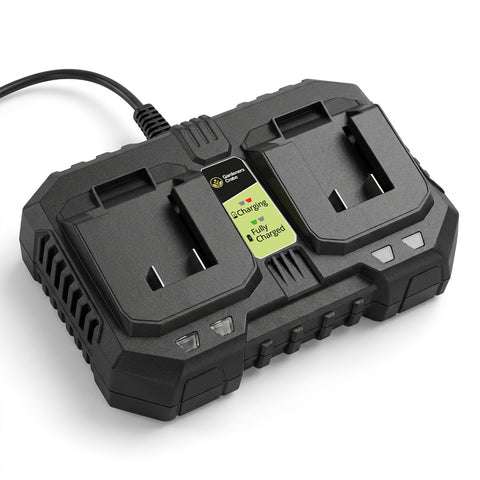
For cordless tools, keeping batteries charged and storing equipment correctly can make a noticeable difference. A tool that is ready when you need it makes quick maintenance tasks much easier to complete.
Maintain Tools Regularly
Well-maintained tools are usually easier and more enjoyable to use. Clean cutting components, sharp blades and properly stored equipment can all help maintain consistent performance.
Check tools regularly for wear and replace parts when needed. For example, worn cutting components on lawn equipment can affect performance and make tasks take longer than necessary.
Choose the Right Tool for Each Job
Using the right tool for the task can make garden maintenance much simpler. Different jobs require different types of tools, and choosing equipment that matches the task can reduce unnecessary effort and make the work easier to control.
For example, secateurs are designed for pruning small branches and stems, while a garden trowel is better suited to planting and working in smaller areas of soil. Long-handle weeding tools can help with weeds in garden beds without requiring as much bending, while a mower or whipper snipper is more appropriate for maintaining larger areas of grass.
Rather than trying to make one tool do everything, consider what the task requires and choose equipment that is comfortable to hold, lift and manoeuvre. Using the right tool can make everyday gardening more efficient and help avoid unnecessary strain from awkward positions or excessive gripping. For smaller gardens, versatile tools can also be useful when they allow you to complete several related tasks without needing to store a large collection of separate equipment.
CTA linking to The Lawno
Final Thoughts: Choosing Gardening Tools That Suit You
The best gardening tools are not always the largest, most powerful or most expensive options. They are the ones that suit your garden, your routine and the type of work you regularly complete.
Lightweight designs, comfortable grips and adjustable features can make everyday gardening tasks easier to manage. Whether you are mowing a small lawn, pruning plants, planting flowers or maintaining garden beds, choosing equipment that feels comfortable to use can make a noticeable difference.
For smaller outdoor spaces, compact or multi-purpose tools can also help simplify storage and regular maintenance. The right setup can make everyday gardening more manageable and allow you to spend more time enjoying your garden.