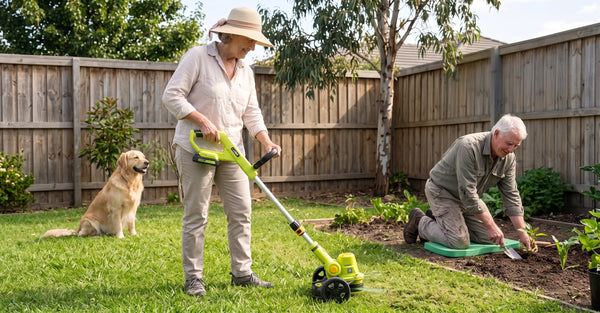
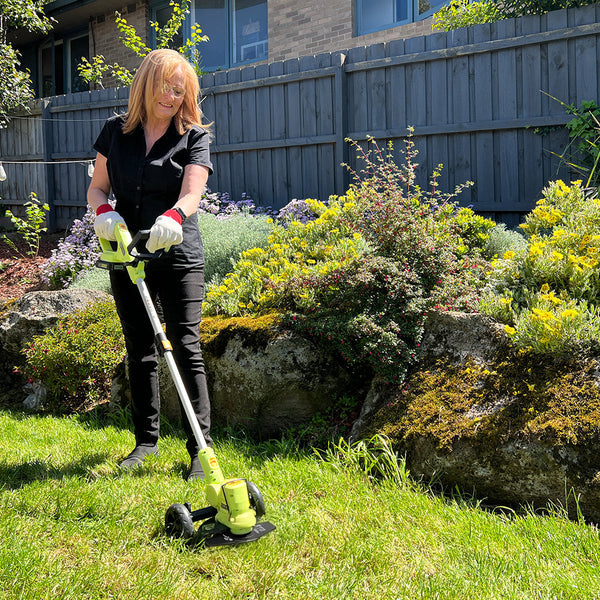
To use a whipper snipper the right way, adjust the tool to a comfortable height, hold it securely with both hands, keep the cutting head level and move steadily across the area you want to trim. Using the right technique makes a big difference. Moving too quickly, cutting too low or using the wrong tool for the job can lead to uneven results or unnecessary strain.
With the correct setup and a few simple habits, whipper snipping can become a quick and straightforward part of your regular lawn-care routine. In this guide, we’ll explain what a whipper snipper is used for, how to prepare before using one and the techniques that will help you achieve a cleaner finish.
What Exactly Is a Whipper Snipper Used For?
A whipper snipper is designed for trimming grass in areas that are difficult for a mower to reach. This includes grass growing around fences, trees, garden beds, posts, corners and along the edges of paths or driveways. A mower is usually the best tool for cutting the main lawn area, while a whipper snipper is used for the finishing work around obstacles and hard-to-reach spaces. Using both tools together can help create a more even and tidy-looking lawn.
It is also important to understand that trimming and edging are different lawn-care tasks. A whipper snipper trims grass that extends beyond where a mower can reach, while an edger is designed to create a defined boundary between grass and surfaces such as paths, driveways and garden beds.

How to Prepare Before Using a Whipper Snipper
Check the Cutting System
Before using a whipper snipper, check that the cutting system is secure and in good condition. Look for worn, cracked or damaged components, as these can affect performance and make it harder to achieve an even cut.
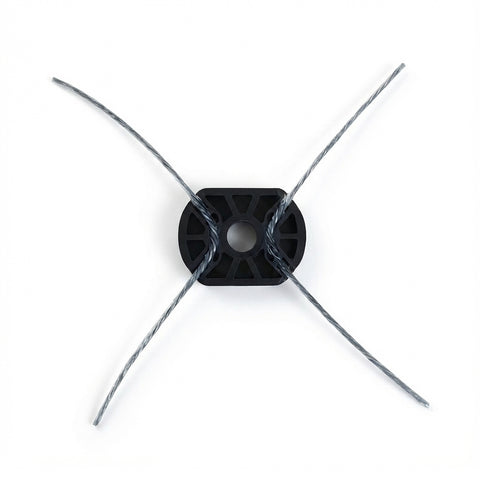
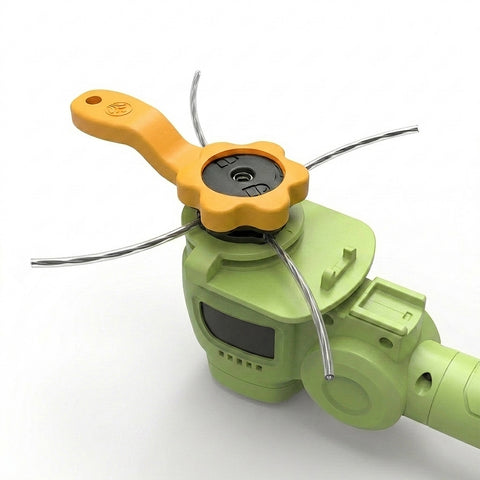
Different whipper snippers use different cutting systems, such as nylon line or replaceable blades. Check which type your tool uses and make sure the cutting component is fitted correctly before starting. If the line or blades are noticeably worn or damaged, replace them before use.
It is also a good idea to remove any grass or debris caught around the cutting head. Keeping the cutting system clean and properly fitted helps the tool work efficiently and provides more consistent trimming results.
Charge the Battery or Check Fuel
Make sure the tool has enough power before starting. Running out of battery halfway through a job can be frustrating, especially if you are trimming several areas around the yard.
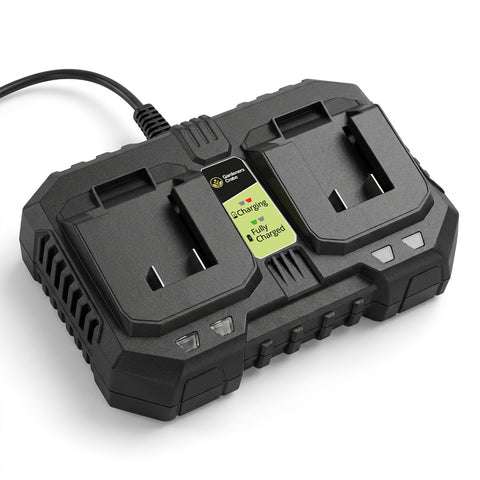
Cordless whipper snippers are popular for smaller gardens because they are easy to start and do not require fuel storage. However, battery runtime varies depending on the tool, grass conditions and how heavily it is being used. Check the battery indicator before you begin, and if you are trimming a larger area, keep a fully charged spare battery available if your model allows for one.
For petrol models, check the fuel level and complete any basic maintenance checks recommended by the manufacturer before use.
Clear the Area
Before trimming, remove anything that could interfere with the cutting head. Sticks, stones, toys and other garden debris can affect the finish, damage the tool or become a safety hazard.
Clearing the area also gives you a better view of what you are cutting. This is especially useful around garden beds, fences and paths where you need more control to avoid damaging surrounding plants or surfaces.
Adjust the Tool Height and Handles
Hold the whipper snipper with both hands and adjust the shaft and handle position so you can maintain a comfortable posture and keep control of the cutting head throughout the job.
The ideal setup depends on your height and the design of the tool. An adjustable shaft, second handle and comfortable grip can help reduce unnecessary bending or reaching while making it easier to guide the tool steadily.

How to Use a Whipper Snipper Step by Step
Once the area is prepared and the tool is adjusted correctly, the main focus is controlling the cutting head. Good technique is less about speed and more about keeping your movements consistent. Let the cutting system do the work rather than forcing the tool through the grass.
1. Hold the Whipper Snipper Correctly
Hold the whipper snipper with both hands and keep your feet comfortably apart for a stable stance. Keep the tool close enough to your body that you can control it without leaning forward or reaching out.
If the tool has a shoulder strap or harness, adjust it so the cutting head sits at a comfortable working position when your arms are relaxed. The same way goes for any handles that your whipper snipper has – adjust them so that your arms are comfortable and you don’t have to hold the tool in an awkward position. Your hands should guide the tool rather than support its full weight, which can make longer trimming jobs more comfortable.
2. Start With the Cutting Head at the Correct Height
Keep the cutting head just above the ground and maintain a consistent height as you move. Avoid pressing the head into the soil, as this can scalp the grass, throw up debris and cause unnecessary wear on the cutting system.
It can help to make a few light passes first rather than trying to achieve the final height immediately. This gives you a better feel for how much grass the tool removes with each movement.
When trimming lawn edges, use the same cutting height as the surrounding grass where possible. Cutting significantly lower than the lawn can leave a visibly uneven strip along fences, paths and garden beds.
3. Move Slowly and Use Controlled Sweeping Motions
Move the cutting head from side to side in smooth, controlled sweeps. Keep each movement relatively shallow and overlap the previous pass slightly so that no strips of longer grass are left behind.
There is no need to swing the tool widely or move quickly. If the grass is not being cut cleanly, slowing down usually gives you more control and allows the cutting system to work more effectively.
Start with smaller sweeping movements until you get a feel for how far the cutting head reaches. You can gradually increase the range of movement once you are comfortable controlling the tool.
4. Trim Around Obstacles Carefully
When trimming around obstacles, reduce your speed and use short, controlled movements. Keep the cutting head slightly away from the object rather than allowing the line or blade to make direct contact.
For fences and posts, work along the edge gradually and avoid pushing the cutting head into narrow gaps. Around garden beds, angle the cutting head away from plants and flowers. When working near trees, take extra care around the trunk and avoid striking the bark, as repeated contact can cause damage.
When you are unsure how close you can safely trim to an object, leave a small amount of grass and finish it with a slower, more controlled pass rather than trying to cut right up to the edge immediately.
5. Work Through Overgrown Grass Gradually
For heavily overgrown areas, work in stages rather than trying to bring the grass down to its final height immediately. Start by cutting through the taller growth near the top, then make a second pass to bring the remaining grass down to a more manageable height.
Once the excess growth has been reduced, mow the main lawn area to the desired height. Any remaining grass along fences, garden beds or other areas the mower cannot reach can then be trimmed and the edges finished separately.
For particularly dense or tall growth, check the cutting system regularly and clear away any grass that becomes wrapped around the cutting head. This helps maintain consistent cutting performance as you work.

How to Use a Whipper Snipper for Different Areas
Different parts of the yard require slightly different techniques. The surface, surrounding plants and type of edge can all affect how you position and move the cutting head.
Around Fences and Garden Beds
Grass around fences and garden beds is one of the most common areas where a whipper snipper is useful. These spaces can be difficult to reach with a mower, particularly where the lawn meets a fence or where plants make access more limited.
When trimming along a fence, keep the cutting head parallel to the edge and work along it gradually. Around garden beds, keep the cutting head angled away from plants and avoid disturbing loose soil or mulch. If grass regularly grows into the garden bed, shorter and more frequent trimming is usually easier to control than allowing it to become heavily overgrown.
When working around loose mulch or soil, avoid lowering the cutting head too far. Contact with the ground can throw material onto the lawn, plants or nearby surfaces.
Along Paths and Driveways
A whipper snipper can remove grass that has spread over paths, driveways and other hard surfaces, helping to keep the transition between lawn and surrounding areas tidy. Keep the cutting head at a consistent height and work along the edge in a controlled line. Be particularly careful on gravel or loose surfaces, where the cutting system can pick up and throw small stones.
Trimming and edging are different tasks, though. A whipper snipper can remove grass growing over or beyond an existing boundary. An edger is designed to create a more defined line between the lawn and a hard surface or garden bed.
If you are cleaning up an established edge rather than creating a new one, avoid cutting deeper into the lawn than necessary. Following the existing boundary will give you a cleaner result without gradually widening the path or driveway.
Around Trees and Obstacles
Trees, posts and other fixed obstacles require more control because the cutting system can damage surfaces that you do not want to cut. When trimming around a tree, keep a small buffer between the cutting head and the trunk rather than trying to cut directly against the bark. Move slowly around the base and use short movements to control the amount of grass removed.
The same approach can be used around posts, garden structures and other obstacles. Rather than forcing the cutting head into tight spaces, leave a small amount of grass and make a final controlled pass if needed.
Tree trunks are particularly important to protect because repeated contact from a line or blade can damage the bark over time. Where practical, maintain a small grass-free or hand-maintained buffer around the trunk instead of relying on the whipper snipper to cut right up against it.
Is a Lightweight Whipper Snipper Better for Small Lawns?
For smaller lawns and compact outdoor spaces, a lightweight tool can make regular maintenance easier. Weight affects how comfortable a tool feels during use, particularly when moving around fences, garden beds, corners and other areas where you need more control.
However, the lightest tool does not always have to be the best option. Balance, handle position and adjustability are just as important as the number on the specification sheet. A tool that feels comfortable to hold and manoeuvre is more likely to be used regularly.
For homeowners who need more than basic trimming, a compact multi-purpose lawn tool can also be useful. The Lawno combines mowing smaller lawn areas, trimming and edging in one design, making it an option for smaller yards where versatility and storage space are important considerations.
The Lawno weighs 2.3 kg with the battery and features an adjustable rod and second handle, allowing you to adjust the tool to a more comfortable working position. Its flexible blade system is designed for everyday lawn-care tasks and uses a Snap-N-Swap system for changing blades when required.
Final Thoughts: Getting Better Results With a Whipper Snipper
Getting good results with a whipper snipper comes down to using the right setup and taking your time. Before you start, check the cutting system, clear the area and adjust the tool so you can work comfortably. While trimming, keep the cutting head at a consistent height and use controlled movements rather than trying to work as quickly as possible.
For the best overall result, use the whipper snipper alongside the other tools your lawn needs. Mow the main lawn area, use the whipper snipper for grass around obstacles and hard-to-reach areas, and use an edger when you want to create a more defined border.
For smaller lawns, a lightweight and easy-to-manoeuvre tool can also make regular maintenance more manageable. Choosing equipment that suits the size and layout of your yard can make routine lawn care simpler and easier to keep up with.